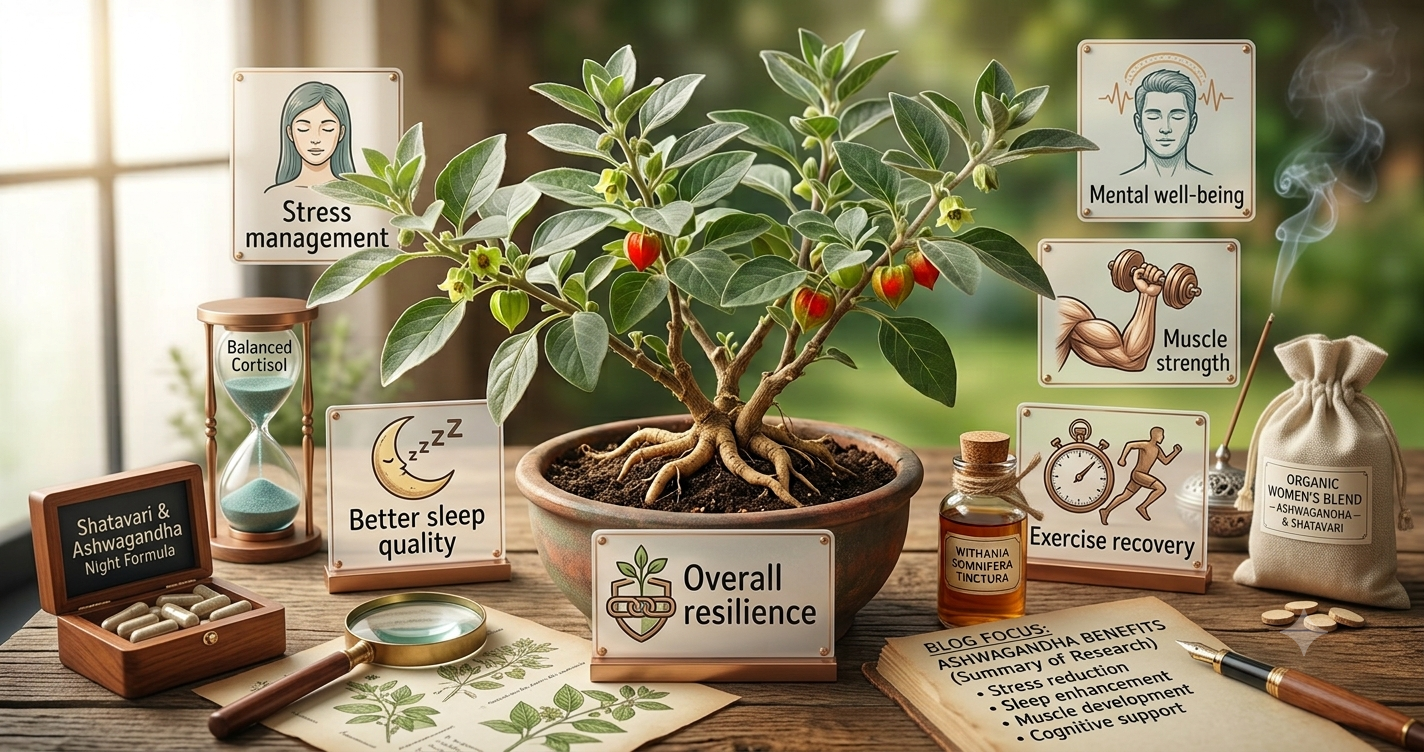
Ashwagandha Benefits: A Complete Evidence-Based Guide to Stress, Sleep, Energy, and Everyday Wellness
Can Ashwagandha really help with stress? Does it improve sleep? Is it safe for women? What dosage should you take, and are there any side effects?
If you’ve searched for answers to these questions, you’re not alone.
Over the past few years, Ashwagandha has become one of the most talked-about herbal supplements in the wellness world. It’s promoted for everything from reducing stress and supporting better sleep to improving exercise recovery and overall vitality. With so much information available online, it can be difficult to separate evidence-based facts from exaggerated marketing claims. This guide takes a balanced approach. Instead of promising miracle results, we’ll explore what modern research says about Ashwagandha, where traditional Ayurveda knowledge fits in, and what you should know before adding it to your daily routine. Whether you’re curious about managing stress, improving your sleep, supporting athletic performance, or simply learning more about this ancient herb, you’ll find practical and trustworthy information here.
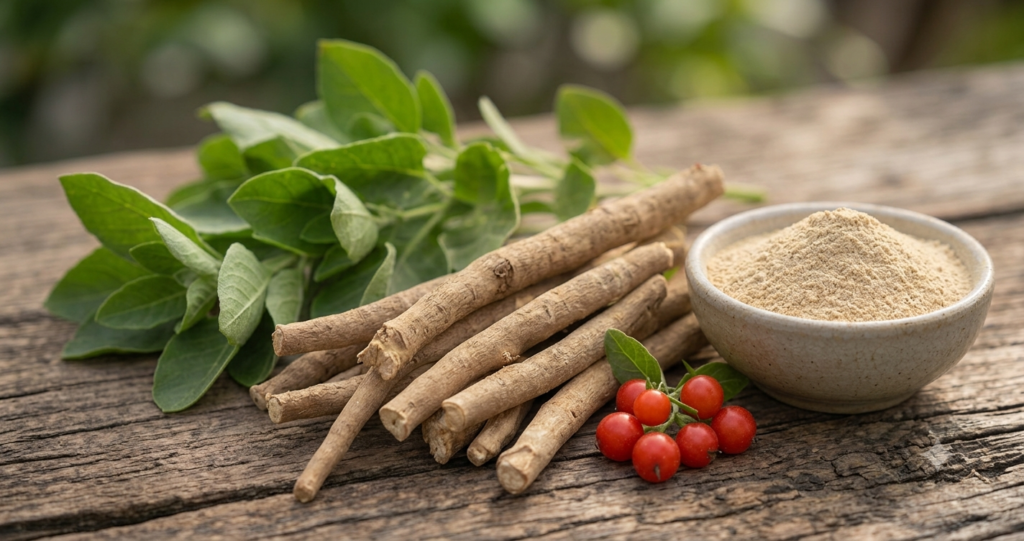
What Is Ashwagandha?
Ashwagandha (Withania somnifera) is a medicinal herb that has been used in Ayurveda, India’s traditional system of medicine, for thousands of years.
In Ayurvedic practice, it is classified as a Rasayana, a category of herbs traditionally associated with promoting vitality, resilience, and healthy aging.
The name “Ashwagandha” comes from Sanskrit:
- Ashwa means horse.
- Gandha means smell.
Traditionally, the fresh root was said to have a scent similar to that of a horse. Over time, the name also became associated with strength and endurance.
Today, Ashwagandha is available in several forms:
- Capsules
- Tablets
- Powder
- Standardized root extracts
- Gummies
- Herbal teas
- Liquid tinctures
Most clinical research has focused on standardized root extracts, as they provide consistent amounts of the plant’s naturally occurring compounds called Withanolides.
Why Has Ashwagandha Become So Popular?
Modern lifestyles place constant demands on both the body and the mind.
Many people experience:
- Long working hours
- Poor sleep habits
- Constant digital stimulation
- High stress levels
- Mental fatigue
- Limited recovery time
Because of these challenges, interest in natural approaches to stress management has grown significantly.
Ashwagandha has gained attention because research suggests it may help the body adapt to physical and emotional stress, making it one of the best-known herbs in the adaptogen category. Unlike products marketed as quick fixes, Ashwagandha is generally studied as part of a long-term wellness routine rather than as an immediate solution.
How Does Ashwagandha Work?
Scientists are still learning exactly how Ashwagandha affects the body, but several mechanisms have been identified.
Researchers believe its active compounds—particularly withanolides—may influence multiple biological systems involved in stress, recovery, and overall health.
Current evidence suggests Ashwagandha may:
- Help regulate the body’s stress-response system (the hypothalamic-pituitary-adrenal or HPA axis)
- Support healthy cortisol levels in people experiencing chronic stress
- Provide antioxidant activity that helps protect cells from oxidative damage
- Help regulate inflammatory pathways
- Support healthy nervous system function
Because these systems influence many aspects of health, Ashwagandha is being studied for a wide range of potential benefits.
However, researchers continue to emphasize that more large, high-quality clinical trials are needed before firm conclusions can be made for many conditions.
Ashwagandha Benefits for Stress and Sleep
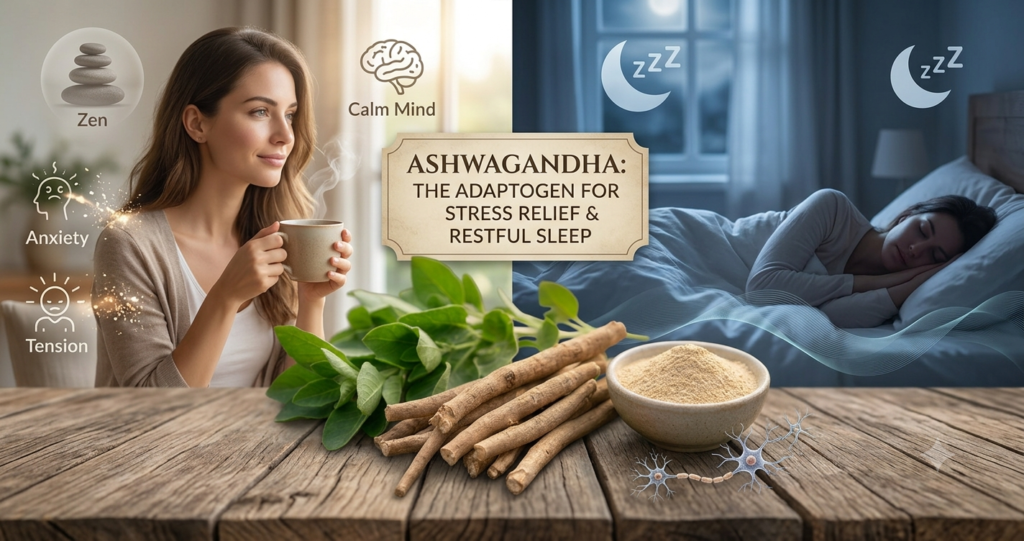
Stress is one of the most researched areas of Ashwagandha supplementation.
When the body experiences ongoing stress, it produces hormones such as cortisol that prepare us to respond to challenges. While this response is helpful in the short term, chronically elevated stress hormones may contribute to fatigue, poor sleep, reduced concentration, and emotional exhaustion.
Several clinical studies suggest that standardized Ashwagandha extracts may help reduce perceived stress levels in adults experiencing chronic stress.
Many participants in these studies reported improvements such as:
- Feeling calmer during demanding situations
- Reduced mental fatigue
- Better emotional resilience
- Improved sense of well-being
These effects are thought to be related to Ashwagandha’s influence on the body’s stress-response system rather than acting as a sedative.
This distinction is important. Rather than forcing relaxation, Ashwagandha appears to support the body’s ability to adapt more effectively to ongoing stress.
Results vary from person to person, and the supplement should be viewed as one part of a broader stress-management plan that includes healthy sleep, regular exercise, balanced nutrition, and relaxation practices.
Can Ashwagandha Help With Anxiety?
Although Ashwagandha is not a medication for anxiety disorders, research suggests it may help reduce symptoms of stress-related anxiety in some individuals.
People often describe the experience not as feeling sleepy or emotionally numb, but as feeling less mentally overwhelmed.
Some individuals report that they:
- Worry less throughout the day
- Feel more emotionally balanced
- Find it easier to relax after work
- Recover more quickly from stressful situations
These improvements are generally modest and develop gradually over several weeks rather than overnight.
It’s important to understand that Ashwagandha should not replace professional medical treatment for anxiety disorders, depression, or other mental health conditions. Anyone experiencing persistent or severe symptoms should seek guidance from a qualified healthcare professional.
What Does the Research Say?
Over the last decade, researchers have conducted numerous clinical trials investigating Ashwagandha’s effects on stress and mental well-being.
Several systematic reviews suggest that standardized Ashwagandha extracts may:
- Reduce perceived stress scores
- Lower cortisol levels in some adults experiencing chronic stress
- Improve self-reported quality of life
- Support overall psychological well-being
While these findings are encouraging, researchers also note several limitations:
- Many studies include relatively small numbers of participants.
- Different studies use different extract formulations and dosages.
- More long-term research is needed to confirm effectiveness across diverse populations.
In other words, current evidence is promising—but it does not support viewing Ashwagandha as a cure for stress or anxiety.
Lifestyle Habits That Enhance Stress Management
Even the most promising supplement cannot compensate for unhealthy daily habits.
If your goal is to feel calmer and more resilient, consider combining Ashwagandha with simple lifestyle practices such as:
- Maintaining a consistent sleep schedule
- Exercising regularly
- Limiting excessive caffeine intake
- Spending time outdoors
- Practicing mindfulness or meditation
- Reducing unnecessary screen time before bed
- Eating a balanced diet rich in whole foods
These habits create the foundation for long-term well-being, while supplements may provide additional support.
Ashwagandha for Better Sleep
A good night’s sleep affects nearly every aspect of health—from concentration and mood to immune function and physical recovery. Yet many people find themselves exhausted at bedtime while their minds continue racing.
This is one of the reasons Ashwagandha has attracted so much attention.
Unlike sleeping pills, Ashwagandha is not designed to induce sleep directly. Instead, research suggests it may help address one of the common barriers to restful sleep: chronic stress.
When stress levels remain elevated for long periods, the body’s natural sleep-wake cycle can become disrupted. By supporting a healthier stress response, Ashwagandha may help some people fall asleep more easily and experience better overall sleep quality.
Several clinical studies have reported improvements in areas such as:
- Sleep quality
- Sleep efficiency (time spent asleep while in bed)
- Time required to fall asleep
- Feeling more refreshed after waking
However, the results are not identical for everyone. People experiencing stress-related sleep difficulties may notice greater benefits than individuals whose sleep problems stem from unrelated medical conditions.
If you decide to try Ashwagandha for sleep, consistency is important. Many studies observed improvements after several weeks of daily use rather than after a single dose.
Can Ashwagandha Increase Energy?
It may seem unusual that the same herb associated with relaxation is also linked to improved energy levels.
The explanation lies in how energy is affected by stress.
Many people don’t feel tired because they lack stimulation—they feel tired because their bodies have been under continuous physical or emotional strain.
When stress becomes chronic, even routine tasks can feel exhausting.
By supporting stress management, Ashwagandha may help reduce mental fatigue and improve overall vitality in some individuals.
Users commonly report feeling:
- More productive throughout the day
- Less mentally drained after work
- Better able to maintain focus
- More balanced energy without the “crash” associated with stimulants
Rather than providing a sudden burst of energy like caffeine, Ashwagandha appears to support steadier energy over time.
Ashwagandha and Exercise Performance
Exercise recovery is another area receiving increasing scientific attention.
Several studies have explored whether Ashwagandha supplementation may support:
- Muscle strength
- Endurance
- Recovery after exercise
- Physical performance
Some research has found that participants taking standardized Ashwagandha extracts experienced greater improvements in strength and exercise performance compared with placebo groups during resistance training programs.
Scientists believe these improvements may be related to several factors, including:
- Better recovery from exercise-induced stress
- Reduced muscle damage
- Improved adaptation to training
- Enhanced physical resilience
It’s important to note that Ashwagandha is not a replacement for proper training, nutrition, or recovery. Instead, it may complement a well-designed fitness routine.
Can Ashwagandha Help Build Muscle?
Interest in Ashwagandha among athletes has grown considerably in recent years.
Some clinical trials suggest that individuals participating in structured resistance training programs may experience:
- Greater gains in muscle strength
- Improved recovery between workouts
- Better exercise performance
- Reduced exercise-induced fatigue
These findings are encouraging, but they do not mean Ashwagandha alone builds muscle.
Progress in strength training continues to depend primarily on:
- Progressive resistance exercise
- Adequate protein intake
- Sufficient calories
- Quality sleep
- Consistent training
Think of Ashwagandha as a possible supporting tool—not a shortcut.
VO₂ Max and Endurance

Another area of research involves VO₂ max, a measure of how efficiently the body uses oxygen during physical activity.
Higher VO₂ max values are generally associated with better cardiovascular fitness and endurance.
Some studies have reported modest improvements in VO₂ max among individuals taking Ashwagandha during structured exercise programs.
Researchers believe this could contribute to improved endurance in certain populations, although additional high-quality research is still needed to confirm these findings across different age groups and fitness levels.
Ashwagandha and Brain Health
Modern life demands constant attention.
Emails, meetings, notifications, deadlines, and endless streams of information can leave many people mentally exhausted.
Researchers have begun investigating whether Ashwagandha may support certain aspects of cognitive health.
Early studies suggest it may contribute to improvements in areas such as:
- Attention
- Processing speed
- Working memory
- Mental clarity
- Cognitive performance under stress
Scientists are also studying whether Ashwagandha’s antioxidant properties may help protect brain cells from oxidative stress, although this area remains under active investigation.
These findings are promising, but larger clinical trials are still needed before firm conclusions can be drawn.
Does Ashwagandha Improve Memory?
Memory is influenced by many factors, including:
- Sleep quality
- Stress levels
- Physical activity
- Nutrition
- Age
- Overall brain health
Because chronic stress can interfere with concentration and memory, reducing stress may indirectly improve cognitive performance.
Some early studies suggest Ashwagandha supplementation may support memory and executive function in certain groups of adults.
However, it should not be viewed as a treatment for dementia or age-related cognitive disorders.
Anyone experiencing significant memory problems should consult a healthcare professional for proper evaluation.
Ashwagandha and Immune Health
The immune system works continuously to protect the body from harmful microorganisms while maintaining a balanced inflammatory response.
Researchers are exploring whether Ashwagandha’s naturally occurring compounds may help support healthy immune function.
Laboratory and early human studies suggest the herb may influence several components of the immune system, but scientists continue to investigate how these findings translate into long-term health outcomes.
At present, Ashwagandha should not be considered a substitute for:
- Vaccination
- Medical treatment
- Balanced nutrition
- Regular exercise
- Adequate sleep
These remain the foundation of a healthy immune system.
Inflammation and Recovery
Inflammation is a normal part of the body’s healing process.
Problems arise when inflammation becomes chronic and persists over time.
Some research suggests Ashwagandha contains bioactive compounds that may help regulate inflammatory pathways.
Scientists are studying whether these properties could contribute to:
- Improved recovery after physical activity
- Better joint comfort
- Reduced muscle soreness
- Overall physical resilience
While the results are encouraging, more high-quality clinical research is needed before definitive recommendations can be made.
Ashwagandha and Blood Sugar
Interest in Ashwagandha has expanded beyond stress management into metabolic health.
Some preliminary studies suggest Ashwagandha may support healthy blood sugar regulation when combined with lifestyle measures such as balanced nutrition and regular exercise.
Researchers are investigating whether it may influence insulin sensitivity and glucose metabolism.
However, current evidence is not strong enough to recommend Ashwagandha as a treatment for diabetes.
If you have diabetes or prediabetes, never replace prescribed medications with herbal supplements without guidance from your healthcare provider.
Can Ashwagandha Support Heart Health?
Because Ashwagandha may influence stress, inflammation, and exercise performance, researchers have also explored its potential role in cardiovascular wellness.
Some early studies suggest it may contribute indirectly to heart health by supporting:
- Healthy stress management
- Physical fitness
- Balanced inflammatory responses
- Overall well-being
However, there is no strong evidence that Ashwagandha prevents heart disease, heart attacks, or extends lifespan.
Maintaining cardiovascular health still depends primarily on:
- Regular exercise
- Healthy eating habits
- Blood pressure management
- Cholesterol control
- Avoiding tobacco
- Managing chronic medical conditions
Supplements should be viewed as complementary—not as replacements for proven lifestyle measures.
Key Takeaways
Current research suggests Ashwagandha may help support:
✅ Better stress management
✅ Improved sleep quality
✅ Enhanced exercise recovery
✅ Muscle strength during resistance training
✅ Mental focus under stress
✅ Overall energy and resilience
Researchers continue to investigate its potential effects on immune function, metabolic health, and other aspects of wellness. While the findings are promising, many questions remain, and larger long-term studies are still needed.
One of the biggest strengths of Ashwagandha is that it doesn’t promise instant results. Instead, when combined with healthy daily habits, it may offer gradual support for both physical and mental well-being.
Ashwagandha Benefits for Men

Ashwagandha has long been used in traditional Ayurvedic practices to support strength, vitality, and overall well-being. Today, modern research is exploring whether these traditional uses have scientific support.
While the evidence is still developing, several clinical studies suggest that Ashwagandha may benefit men’s health in several ways, particularly when combined with a healthy lifestyle.
It’s important to remember that Ashwagandha is a dietary supplement—not a hormone replacement therapy or medication.
1. May Support Healthy Testosterone Levels
Testosterone naturally plays an important role in muscle development, energy levels, bone health, mood, and reproductive function.
Some studies have reported modest increases in testosterone levels among healthy men and men participating in resistance training after taking standardized Ashwagandha extracts.
Researchers believe these improvements may occur indirectly by helping reduce chronic stress and supporting the body’s normal hormonal balance.
However, results vary between studies, and Ashwagandha should not be viewed as a treatment for clinically low testosterone. Men experiencing symptoms of hormonal imbalance should seek medical evaluation rather than self-treating with supplements.
2. May Support Male Fertility
Male fertility is influenced by numerous factors, including age, stress, nutrition, sleep, smoking, alcohol use, and underlying medical conditions.
Some clinical studies suggest Ashwagandha supplementation may improve certain semen parameters, including:
- Sperm count
- Sperm motility
- Semen volume
- Sperm quality
Researchers believe these effects may be partly related to reduced oxidative stress and improved hormonal balance.
Although the findings are encouraging, larger studies are still needed before Ashwagandha can be routinely recommended as part of fertility treatment.
3. Supports Strength and Recovery
For men who exercise regularly, Ashwagandha may complement a structured fitness program.
Research suggests it may help support:
- Muscle strength
- Exercise performance
- Recovery after workouts
- Resistance training adaptations
These potential benefits appear greatest when Ashwagandha is combined with consistent exercise, adequate protein intake, and sufficient recovery.
4. Stress Management Supports Overall Health
Many health concerns in men—including fatigue, reduced motivation, poor sleep, and difficulty concentrating—can be worsened by chronic stress.
Because Ashwagandha may help support the body’s stress response, many users report improvements in overall well-being rather than one specific symptom.
Feeling calmer, sleeping better, and recovering more effectively can positively influence many aspects of daily life.
Ashwagandha Benefits for Women

Women often balance multiple responsibilities—careers, families, education, caregiving, and countless daily decisions.
Chronic stress can affect mood, sleep, energy, and overall quality of life.
Ashwagandha is increasingly being studied as a natural supplement that may help support emotional and physical well-being.
1. May Help the Body Respond to Stress
One of Ashwagandha’s most researched benefits is stress management.
Some studies suggest women experiencing ongoing stress may notice improvements in:
- Emotional resilience
- Perceived stress levels
- Mental fatigue
- Overall sense of well-being
Rather than eliminating stress entirely, Ashwagandha may help the body respond more effectively to everyday challenges.
2. May Support Better Sleep
Because stress and sleep are closely connected, reducing stress may naturally improve sleep quality.
Many women who use Ashwagandha report:
- Falling asleep more easily
- Sleeping more soundly
- Feeling more refreshed upon waking
These improvements generally develop gradually over several weeks.
3. Hormonal Wellness
Hormones are influenced by many factors, including age, nutrition, sleep, exercise, stress, and medical conditions.
Researchers are exploring whether Ashwagandha’s effects on stress hormones may indirectly support overall hormonal balance.
However, there is currently insufficient evidence to recommend Ashwagandha as a treatment for hormonal disorders such as polycystic ovary syndrome (PCOS), thyroid disease, or menopause-related symptoms.
Women with hormonal concerns should consult a qualified healthcare professional for individualized care.
4. Energy and Daily Vitality
Many people describe Ashwagandha as helping them feel “calmer but not sleepy.”
This balanced effect may contribute to improved productivity, better concentration, and greater resilience throughout busy days.
Rather than acting as a stimulant, Ashwagandha may help reduce the mental fatigue associated with chronic stress.
Ashwagandha Dosage
There is no single dosage that is appropriate for everyone.
The right amount depends on factors such as:
- Age
- Health status
- Type of supplement
- Concentration of active compounds
- Individual response
In clinical studies, standardized extracts commonly range between 240 mg and 600 mg per day, although some studies have used different amounts.
Always follow the dosage instructions provided by the manufacturer or your healthcare provider.
Starting with the lowest effective dose allows you to observe how your body responds before increasing intake.
Best Time to Take Ashwagandha
There is no universally “best” time to take Ashwagandha.
The ideal timing depends on your wellness goals.
Morning
Some people prefer taking Ashwagandha with breakfast because they feel it supports:
- Daily stress management
- Focus
- Balanced energy
Morning use may fit well into an established supplement routine.
Evening
Others prefer taking it after dinner or before bed, particularly if their goal is supporting relaxation and healthy sleep.
Consistency is generally more important than the exact time of day.
Taking Ashwagandha at approximately the same time each day may help establish a routine.
Different Forms of Ashwagandha
Today’s market offers several options.
Capsules
Best for:
- Accurate dosing
- Daily convenience
- Travel
Advantages:
- Consistent dosage
- Easy to carry
- Widely available
Powder
Best for:
- Smoothies
- Herbal drinks
- Flexible serving sizes
Advantages:
- Traditional form
- Easy to mix into beverages
Potential drawback:
Some people dislike its earthy taste.
Gummies
Best for:
- Beginners
- People who dislike swallowing capsules
Advantages:
- Convenient
- Pleasant taste
- Easy daily habit
Check the label for added sugars and artificial ingredients.
Liquid Extracts
Best for:
- Flexible dosing
- Faster absorption preferences
Always measure carefully according to the product instructions.
How to Choose a High-Quality Ashwagandha Supplement
Not all supplements are created equal.
Quality can vary significantly between brands.
When comparing products, consider the following:
1. Standardized Extract
Look for products that clearly state the amount of active withanolides.
This helps ensure consistency from batch to batch.
2. Third-Party Testing
Independent testing provides additional confidence that a supplement contains what the label claims and is free from certain contaminants.
3. Transparent Ingredient List
Choose products that clearly list:
- Ashwagandha source
- Standardization
- Other ingredients
- Serving size
Avoid products that rely heavily on proprietary blends without revealing ingredient amounts.
4. Manufacturing Quality
Supplements produced in facilities following Good Manufacturing Practices (GMP) often provide greater assurance of quality control.
5. Match the Product to Your Lifestyle
The “best” Ashwagandha supplement isn’t necessarily the most expensive one.
Instead, choose a product you can use consistently.
For example:
| Lifestyle | Good Option |
| Busy professionals | Capsules |
| Beginners | Gummies |
| Smoothie lovers | Powder |
| Flexible dosing | Liquid extract |
Consistency usually matters more than chasing the latest marketing trend.
Questions to Ask Before Buying
Before purchasing any supplement, consider these questions:
- Is the manufacturer transparent?
- Does the label specify the extract and dosage?
- Has the product been independently tested?
- Are there unnecessary fillers or artificial ingredients?
- Does the serving size match the amount used in published research?
Making informed choices helps ensure you’re paying for quality rather than clever advertising.
Key Takeaways
Ashwagandha may support:
- Healthy stress management
- Better sleep quality
- Exercise recovery
- Mental resilience
- Overall well-being
Choosing a high-quality supplement and using it consistently as part of a healthy lifestyle is likely to be more beneficial than simply selecting the most heavily advertised product.
Is Ashwagandha Safe?
For most healthy adults, Ashwagandha appears to be generally well tolerated when taken in appropriate amounts. It has been used in traditional Ayurvedic medicine for centuries, and modern clinical studies have also reported a favorable safety profile for standardized extracts used over relatively short periods.
However, “natural” does not automatically mean “risk-free.”
Like any dietary supplement, Ashwagandha can cause side effects in some people, and it may interact with certain medications or medical conditions.
If you’re considering adding Ashwagandha to your routine, it’s important to understand both its potential benefits and its limitations.
Possible Side Effects of Ashwagandha
Most reported side effects are mild and temporary.
Some people may experience:
- Mild stomach discomfort
- Nausea
- Digestive upset
- Loose stools
- Drowsiness
- Headache
These symptoms often improve by:
- Taking the supplement with food
- Starting with a lower dose
- Following the manufacturer’s recommended serving size
If symptoms persist or become severe, stop using the supplement and seek medical advice.
Can Ashwagandha Cause Drowsiness?
Because Ashwagandha may promote relaxation, some people notice increased sleepiness—especially when taking higher doses or combining it with other calming supplements or medications.
If you’re using Ashwagandha for the first time:
- Avoid driving or operating heavy machinery until you know how it affects you.
- Consider taking it in the evening if you find it makes you feel relaxed or sleepy.
Who Should Avoid Ashwagandha?
Ashwagandha is not appropriate for everyone.
Speak with your healthcare provider before taking it if you:
Are Pregnant
Current safety data are limited, and some experts advise avoiding Ashwagandha during pregnancy unless specifically recommended by your healthcare provider.
Are Breastfeeding
There isn’t enough high-quality research to confirm its safety during breastfeeding.
Medical guidance is recommended before use.
Have Thyroid Disorders
Some research suggests Ashwagandha may influence thyroid hormone levels.
If you have hypothyroidism, hyperthyroidism, or take thyroid medication, discuss supplementation with your healthcare provider before use.
Have Autoimmune Conditions
Because Ashwagandha may influence immune system activity, people with autoimmune diseases such as:
- Rheumatoid arthritis
- Lupus
- Multiple sclerosis
- Hashimoto’s thyroiditis
should consult their physician before taking it.
Have Liver Disease
Although uncommon, there have been rare reports of liver injury associated with Ashwagandha supplements.
People with existing liver disease should seek medical advice before using any herbal supplement.
Are Scheduled for Surgery
Ashwagandha may have calming effects that could interact with anesthesia or medications used during surgery.
Many healthcare providers recommend stopping herbal supplements approximately two weeks before planned surgery, but always follow your surgeon’s instructions.
Drug Interactions
Ashwagandha may interact with certain medications.
Always inform your healthcare provider about any supplements you’re taking.
Potential interactions include:
1. Sedatives and Sleep Medications
Taking Ashwagandha together with medications that cause drowsiness may increase sedative effects.
Examples include:
- Prescription sleep medications
- Anti-anxiety medications
- Certain antihistamines
2. Diabetes Medications
Because Ashwagandha may influence blood sugar levels in some people, combining it with diabetes medications could increase the risk of blood sugar becoming too low.
Blood glucose should be monitored appropriately under medical supervision.
3. Blood Pressure Medications
Some evidence suggests Ashwagandha may have mild effects on blood pressure.
People taking medications for hypertension should monitor their blood pressure and consult their healthcare provider.
4. Thyroid Medication
Ashwagandha may influence thyroid hormone production in some individuals.
People taking thyroid replacement therapy should discuss supplementation with their physician.
5. Immunosuppressant Medications
Individuals taking medications that intentionally suppress the immune system should consult their specialist before using Ashwagandha.
Frequently Asked Questions
Q1. What are the main benefits of Ashwagandha?
Research suggests Ashwagandha may help support:
- Stress management
- Better sleep quality
- Exercise recovery
- Muscle strength during resistance training
- Mental well-being
- Overall resilience
Many of these benefits are still being studied, and responses vary between individuals.
Q2. How long does Ashwagandha take to work?
Some people notice changes within two to four weeks, while others may require six to eight weeks of consistent daily use.
Results depend on factors such as dosage, extract quality, overall health, and the reason for taking the supplement.
Q3. Is it better to take Ashwagandha in the morning or at night?
There is no universally correct answer.
Morning may be preferred for daily stress support.
Evening may be preferred if relaxation and sleep are your primary goals.
The most important factor is taking it consistently.
Q4. Can women take Ashwagandha?
Yes, many women use Ashwagandha for stress management and overall wellness.
However, it should be avoided during pregnancy unless specifically recommended by a healthcare professional.
Q5. Can Ashwagandha help with weight loss?
There is currently no strong evidence that Ashwagandha directly causes weight loss.
However, by supporting stress management and sleep quality, it may indirectly support healthy lifestyle habits in some individuals.
Q6. Can I take Ashwagandha every day?
Many clinical studies have used daily supplementation for several weeks or months.
Whether long-term use is appropriate depends on your health status and should be discussed with a qualified healthcare professional.
Q7. Is Ashwagandha addictive?
Current evidence does not suggest that Ashwagandha causes dependence or addiction.
Q8. Can I take Ashwagandha with coffee?
Many people do.
There are no established interactions between Ashwagandha and moderate caffeine intake, although individual responses vary.
Final Thoughts
- Modern life places enormous demands on our physical and mental well-being. Between work responsibilities, family commitments, constant notifications, and limited downtime, many people are searching for sustainable ways to support their health.
- Ashwagandha has earned its place among the most widely researched herbal supplements because it offers something different from quick-fix wellness trends.
- Rather than promising overnight transformation, it may help support the body’s natural ability to adapt to everyday stress.
- Current research suggests Ashwagandha may contribute to improvements in stress resilience, sleep quality, exercise recovery, and overall well-being for some individuals. At the same time, scientists continue to study its effects, and many questions remain unanswered.
- The most important takeaway is this:
- No supplement can replace the fundamentals of good health.
- Nutritious food, regular movement, restorative sleep, meaningful relationships, stress management, and preventive healthcare remain the cornerstones of long-term wellness.
- Think of Ashwagandha as a supporting tool, not a substitute for healthy living.
- When used responsibly and in consultation with a healthcare professional when appropriate, it may become one part of a balanced approach to physical and mental well-being.
Medical Disclaimer
This article is intended for educational and informational purposes only and should not be considered medical advice. Dietary supplements affect individuals differently, and scientific research continues to evolve. Always consult a qualified healthcare professional before starting any new supplement, particularly if you are pregnant, breastfeeding, have an existing medical condition, or take prescription medications. Never discontinue or replace prescribed treatment without professional medical guidance.
Continue Your Ayurveda Wellness Journey
If you found this guide helpful, explore other evidence-based articles in our Ayurveda Wellness Journey:
Related Ayurvedic Wellness Articles
Shilajit Benefits: Science, Uses, Safety & How to Choose the Best Supplement
5 thoughts on “Ashwagandha Benefits: Uses, Dosage, Side Effects & More”