Can Cordyceps increase energy naturally? Does it improve exercise performance? Is it worth taking for healthy aging and immune support? What does modern research actually say?
Medicinal mushrooms have become increasingly popular in the wellness world, and Cordyceps is one of the most talked-about. Once reserved for traditional healing practices in Asia, Cordyceps is now widely available as capsules, powders, tinctures, and functional mushroom blends.
Unlike caffeine or stimulant-based supplements, Cordyceps is often promoted as a natural way to support energy production, endurance, and recovery without causing jitters or crashes. It has also attracted attention for its potential role in immune function, healthy aging, and athletic performance.
While traditional medicine has valued Cordyceps for centuries, modern science is now exploring many of these claims through laboratory and clinical research.
In this guide, we’ll examine what Cordyceps is, how it works, the evidence behind its potential benefits, recommended dosage, possible side effects, and how to choose a high-quality supplement.
Whether you’re an athlete, a busy professional, or simply looking to support your overall wellness, this article will help you make an informed decision.
Part 1: Cordyceps Benefits: A Complete Evidence-Based Guide to Energy, Endurance, Immune Health, and Everyday Wellness
 What Is Cordyceps?
 What Is Cordyceps?
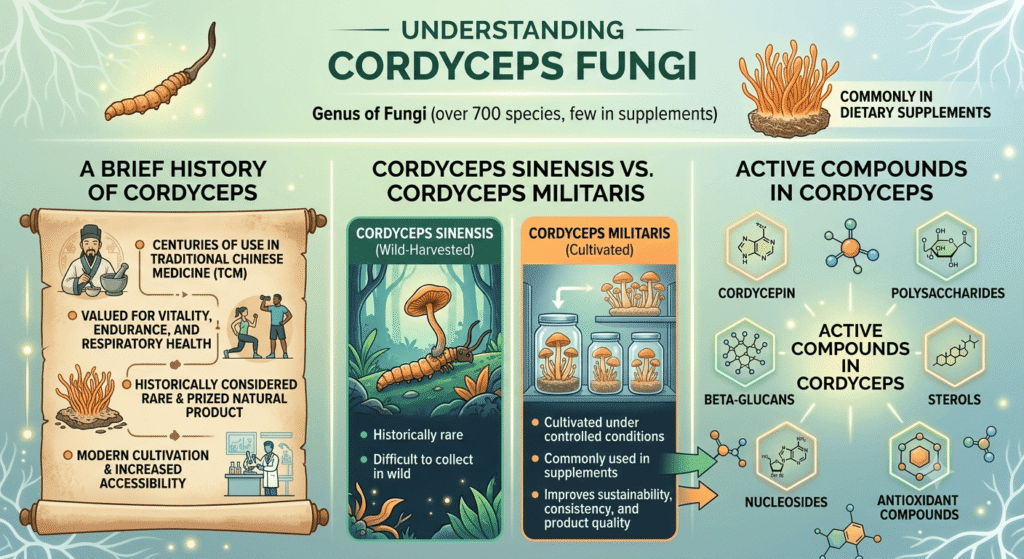
Cordyceps is a group of fungi belonging to the genus Cordyceps. More than 700 species have been identified, but only a few are commonly used in dietary supplements.
Today, most commercial products contain either:
- Cordyceps militaris
- Cultivated Cordyceps sinensis (or its modern cultivated equivalent)
Wild Cordyceps has historically been rare and expensive, so nearly all reputable supplements now use cultivated mushrooms grown under controlled conditions. This approach helps improve sustainability, consistency, and product quality.
Cordyceps is available in several forms, including:
- Capsules
- Powder
- Liquid extracts
- Gummies
- Mushroom coffee blends
Cordyceps Sinensis vs. Cordyceps Militaris
Many shoppers notice these two names when comparing supplements.
Although both belong to the Cordyceps family, they differ in cultivation methods and natural compound profiles.
Cordyceps sinensis
Historically valued in Traditional Chinese Medicine, wild Cordyceps sinensis grows naturally in high-altitude regions of the Himalayas and Tibetan Plateau. Because wild harvesting is limited and expensive, authentic wild specimens are rarely found in everyday supplements.
Cordyceps militaris
Most modern supplements use Cordyceps militaris, which can be cultivated sustainably and contains naturally occurring compounds such as cordycepin. It has become the preferred choice for many manufacturers because it offers reliable quality and standardized production.
Both forms continue to be studied for their potential health benefits.
A Brief History of Cordyceps
Cordyceps has been used for centuries in Traditional Chinese Medicine (TCM), where it was traditionally valued for supporting vitality, endurance, and respiratory health.
Historically, it was considered a rare and prized natural product because it was difficult to collect in the wild.
Today, advances in cultivation have made Cordyceps more accessible while reducing pressure on wild populations.
Active Compounds in Cordyceps
Researchers believe Cordyceps owes many of its potential health effects to naturally occurring bioactive compounds, including:
- Cordycepin
- Polysaccharides
- Beta-glucans
- Sterols
- Nucleosides
- Antioxidant compounds
Scientists continue to investigate how these compounds may influence energy metabolism, immune function, and cellular health.
Nutritional Profile
Although Cordyceps is not consumed as a significant source of vitamins or minerals, it contains a variety of naturally occurring compounds that contribute to its biological activity.
Commercial extracts are often standardized to improve consistency and potency.
How Does Cordyceps Work?
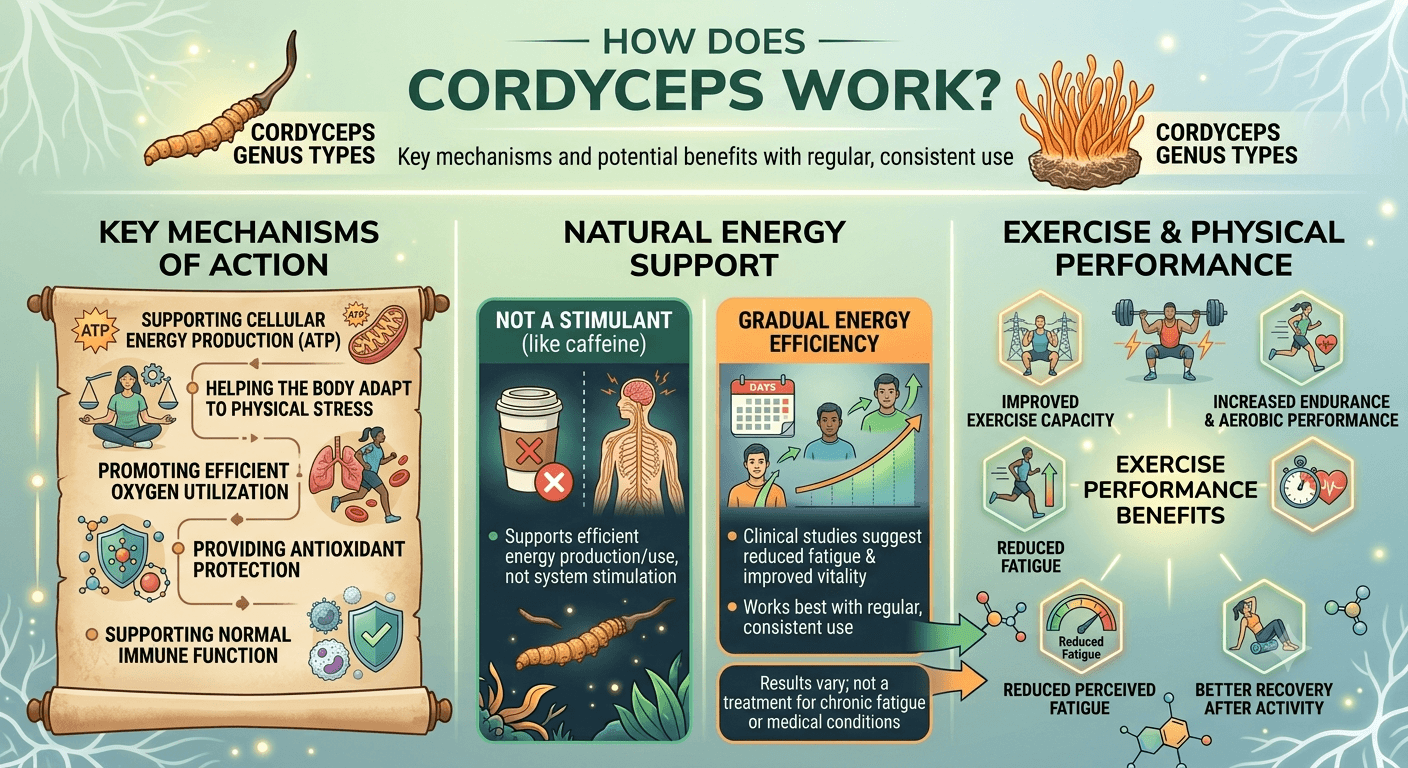
 Researchers are studying several mechanisms that may explain Cordyceps’ potential effects.
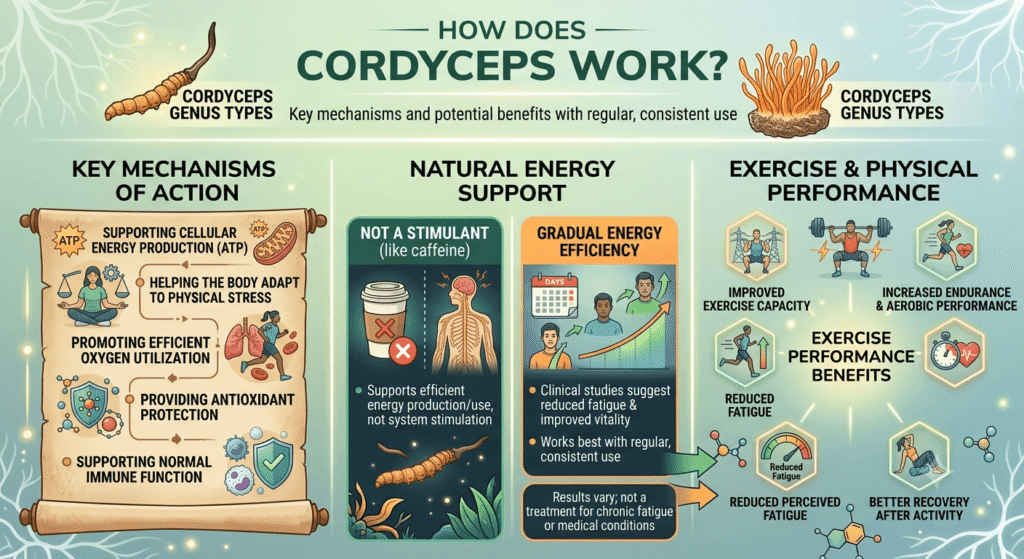
These include:
- Supporting cellular energy production
- Helping the body adapt to physical stress
- Promoting efficient oxygen utilization during exercise
- Providing antioxidant protection
- Supporting normal immune function
Unlike stimulants that produce immediate effects, Cordyceps may work gradually with consistent use.
Cordyceps for Natural Energy
One of the main reasons people take Cordyceps is to support natural energy.
Rather than stimulating the nervous system like caffeine, Cordyceps is believed to support the body’s ability to produce and use energy more efficiently.
Some clinical studies suggest that regular supplementation may help reduce feelings of fatigue and improve overall vitality in certain individuals.
Results vary, and Cordyceps should not be viewed as a treatment for chronic fatigue or medical conditions that cause low energy.
Cordyceps and Exercise Performance
Athletes and fitness enthusiasts often use Cordyceps because of its potential role in endurance and physical performance.
Researchers have explored whether Cordyceps may help improve:
- Exercise capacity
- Endurance
- Aerobic performance
- Recovery after physical activity
- Perceived fatigue
Some small studies have reported modest improvements, particularly in older adults or recreationally active individuals.
However, results among elite athletes have been mixed, and more high-quality research is needed.
Cordyceps and Oxygen Utilization
Efficient oxygen delivery is essential during physical activity.
Researchers are investigating whether Cordyceps may help the body use oxygen more effectively during exercise.
Some studies suggest it may support aerobic capacity, although findings remain inconsistent.
Because of this, Cordyceps should be viewed as a supportive wellness supplement rather than a guaranteed performance enhancer.
Cordyceps for Everyday Vitality
Not everyone takes Cordyceps for athletic performance.
Many people include it in their daily routine to support:
- Healthy energy levels
- Physical resilience
- Active lifestyles
- Recovery from everyday fatigue
- Overall wellness
When combined with balanced nutrition, regular exercise, quality sleep, and stress management, Cordyceps may contribute to long-term vitality.
What Does Modern Research Say?
Scientific interest in Cordyceps has increased significantly over the past two decades.
Researchers have explored its potential role in:
- Energy production
- Exercise performance
- Oxygen utilization
- Healthy aging
- Immune function
- Antioxidant activity
Overall, the evidence is encouraging but still developing.
Most experts agree on three key points:
- Cordyceps has a long history of traditional use.
- Early human studies suggest potential benefits for energy and physical performance.
- Larger, well-designed clinical trials are still needed before stronger conclusions can be made.
Healthy Habits That Support Energy Naturally
No supplement can replace the fundamentals of good health.
To maintain healthy energy levels:
- Eat a balanced diet rich in whole foods.
- Stay physically active.
- Get seven to nine hours of quality sleep each night.
- Stay hydrated.
- Manage stress effectively.
- Limit smoking and excessive alcohol intake.
- Address underlying medical conditions that may contribute to fatigue.
Cordyceps may complement these healthy habits, but it works best as part of a comprehensive wellness routine.
Part 2: Lung Health, Immune Support, Healthy Aging, Heart Health, Blood Sugar & Scientific Research
Can Cordyceps Support Lung Health?
 Can Cordyceps Support Lung Health?
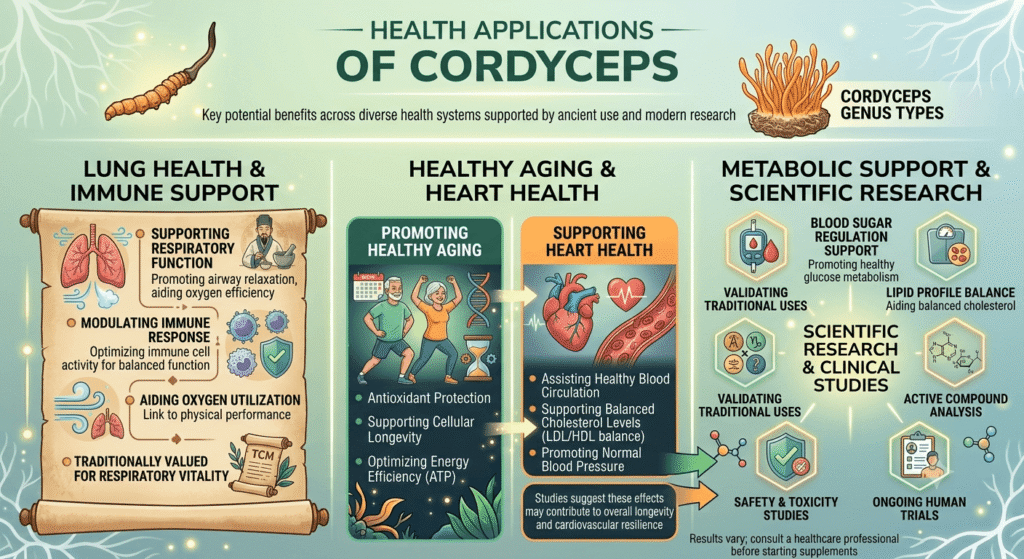
One of the oldest traditional uses of Cordyceps in Traditional Chinese Medicine (TCM) is supporting respiratory health.
Historically, Cordyceps was used to promote healthy breathing, stamina, and overall vitality. Today, researchers are investigating whether these traditional uses have scientific support.
Some laboratory and preliminary clinical studies suggest that Cordyceps may help support normal lung function and oxygen utilization. However, current evidence is still limited, and more high-quality human studies are needed.
It’s important to remember that Cordyceps is not a treatment for asthma, chronic obstructive pulmonary disease (COPD), or other respiratory illnesses.
Individuals with chronic lung conditions should continue following their healthcare provider’s treatment plan.
Cordyceps and the Immune System
The immune system protects the body from harmful bacteria, viruses, and other pathogens while helping maintain overall health.
Cordyceps contains naturally occurring compounds such as:
- Beta-glucans
- Polysaccharides
- Cordycepin
- Antioxidants
Researchers are studying whether these compounds may help support healthy immune function by influencing immune cell activity.
Rather than “boosting” immunity—a term often used in marketing but rarely supported scientifically—Cordyceps is better described as supporting normal immune function.
A healthy immune system depends on many lifestyle factors, including:
- Balanced nutrition
- Adequate sleep
- Regular physical activity
- Stress management
- Vaccination
- Good hygiene
Cordyceps may complement these healthy habits but should not replace them.
Cordyceps and Healthy Aging
As we age, maintaining physical energy, muscle function, and overall vitality becomes increasingly important.
Researchers are exploring whether Cordyceps may support healthy aging through its antioxidant and anti-inflammatory properties.
Some studies suggest it may help support:
- Cellular health
- Physical endurance
- Healthy energy metabolism
- Normal immune function
While early findings are encouraging, more long-term clinical research is required before definitive conclusions can be made.
Cordyceps and Antioxidant Activity
Every day, the body produces unstable molecules known as free radicals during normal metabolism.
Environmental factors such as pollution, smoking, poor diet, and ultraviolet (UV) radiation can increase free radical production.
When free radicals outnumber the body’s natural defenses, oxidative stress occurs.
Over time, oxidative stress may contribute to normal aging and various chronic health conditions.
Cordyceps contains naturally occurring antioxidant compounds that researchers believe may help neutralize free radicals and support cellular health.
Although laboratory studies have demonstrated antioxidant activity, additional human studies are needed to understand its long-term health effects.
Cordyceps and Heart Health
Heart health depends on a combination of healthy lifestyle habits, including regular exercise, a nutritious diet, maintaining a healthy weight, and controlling blood pressure.
Researchers are investigating whether Cordyceps may support cardiovascular health by influencing:
- Blood circulation
- Cholesterol metabolism
- Oxidative stress
- Inflammatory pathways
Some animal and preliminary human studies have reported promising findings, but current evidence is not strong enough to recommend Cordyceps specifically for preventing or treating heart disease.
If you have cardiovascular disease, continue following your physician’s recommendations regarding medication and lifestyle management.
Cordyceps and Blood Sugar
Healthy blood sugar regulation is important for long-term metabolic health.
Some early studies suggest Cordyceps may influence glucose metabolism and insulin sensitivity.
Researchers are exploring whether its naturally occurring compounds may help support:
- Healthy glucose metabolism
- Insulin function
- Cellular energy production
However, these findings remain preliminary.
Cordyceps should never replace diabetes medications or medical treatment.
Anyone with diabetes or prediabetes should discuss herbal supplements with their healthcare provider before use.
Cordyceps and Exercise Recovery
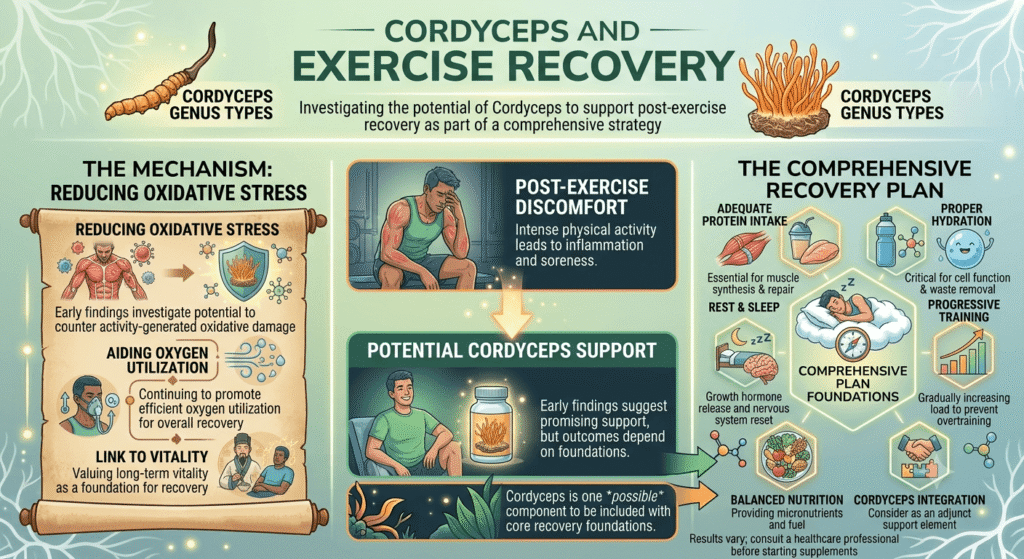 Recovery is just as important as training when it comes to improving physical performance.
Researchers are investigating whether Cordyceps may support post-exercise recovery by helping reduce oxidative stress generated during intense physical activity.
Although early findings are promising, recovery still depends primarily on:
- Adequate protein intake
- Proper hydration
- Rest and sleep
- Progressive training
- Balanced nutrition
Cordyceps should be viewed as one possible component of a comprehensive recovery plan.
Cordyceps and Mental Energy
Physical fatigue and mental fatigue often occur together.
Although Cordyceps is best known for supporting physical endurance, some users also report improvements in:
- Mental alertness
- Daily motivation
- Overall vitality
Researchers believe these effects may be related to improved energy metabolism rather than stimulation.
Unlike caffeine, Cordyceps generally does not produce jitters or rapid increases in heart rate.
Healthy Lifestyle Habits That Maximize Energy
No supplement can replace healthy daily habits.
For sustained energy and overall wellness:
- Eat a balanced diet rich in fruits, vegetables, whole grains, lean protein, and healthy fats.
- Exercise regularly with both aerobic and strength training.
- Sleep 7–9 hours each night.
- Stay hydrated throughout the day.
- Manage stress through mindfulness, relaxation techniques, or meditation.
- Avoid smoking and limit excessive alcohol consumption.
- Address any underlying medical conditions that contribute to fatigue.
Cordyceps may complement these habits but works best as part of a healthy lifestyle.
Part 3: Benefits for Men & Women, Dosage, Best Time to Take It, and Choosing the Right Cordyceps Supplement
Cordyceps Benefits for Men
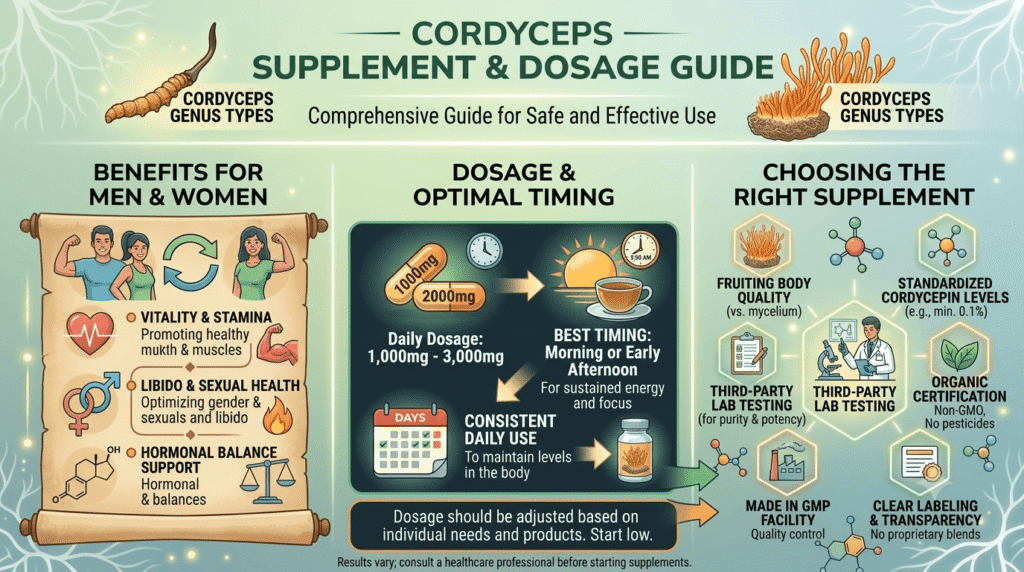 Cordyceps Benefits for Men
Cordyceps has become increasingly popular among men looking to support energy, endurance, and overall vitality. While it is often marketed as a performance-enhancing supplement, current research suggests its benefits are more likely related to supporting healthy energy metabolism and physical performance rather than producing dramatic effects.
When combined with regular exercise, a nutritious diet, and adequate sleep, Cordyceps may contribute to overall wellness.
1. Supports Natural Energy Production
Many men choose Cordyceps because of its potential to support healthy energy levels without relying on stimulants.
Unlike caffeine, Cordyceps does not typically produce jitters or a sudden energy spike. Instead, researchers believe it may help the body generate energy more efficiently at the cellular level.
Some users report feeling more energized after several weeks of consistent supplementation.
2. May Improve Exercise Performance
Regular physical activity is essential for maintaining cardiovascular health, muscle strength, and endurance.
Several clinical studies suggest Cordyceps may help support:
- Exercise capacity
- Aerobic endurance
- Physical stamina
- Recovery following moderate exercise
The greatest benefits have generally been observed in recreationally active adults and older individuals rather than elite athletes.
3. Supports Active Lifestyles
Busy schedules can leave many people feeling physically drained.
Cordyceps may help support:
- Everyday vitality
- Physical resilience
- Healthy recovery after activity
- Long-term wellness
Although results vary between individuals, many people include Cordyceps as part of a comprehensive fitness and wellness routine.
4. Traditional Use for Men’s Vitality
In Traditional Chinese Medicine, Cordyceps has long been associated with supporting vitality and physical resilience.
Modern researchers continue to investigate whether these traditional uses are supported by clinical evidence.
Current research remains promising but inconclusive.
Cordyceps Benefits for Women
Cordyceps is not just for athletes or men’s health.
Many women choose Cordyceps to support energy, endurance, and general wellness while balancing busy work, family, and personal responsibilities.
1. Supports Daily Energy
Fatigue can affect productivity and quality of life.
Some research suggests Cordyceps may help support healthy energy production by assisting normal cellular metabolism.
Unlike stimulant-based products, Cordyceps may provide gradual support without causing significant crashes.
2. Supports Physical Endurance
Whether you enjoy walking, running, cycling, yoga, or strength training, maintaining endurance is an important part of an active lifestyle.
Researchers continue to study whether Cordyceps may help improve aerobic capacity and exercise tolerance.
Although findings remain mixed, early evidence is encouraging.
3. Provides Antioxidant Support
Cordyceps contains naturally occurring antioxidant compounds that may help protect cells from oxidative stress.
Reducing oxidative stress is one factor that may contribute to healthy aging and overall wellness.
4. Supports Overall Wellness
Many women use Cordyceps because they prefer supplements that support multiple aspects of health rather than targeting a single concern.
When combined with healthy lifestyle habits, Cordyceps may contribute to:
- Physical vitality
- Healthy immune function
- Active aging
- Everyday wellness
Who Might Consider Taking Cordyceps?
Cordyceps may be worth discussing with your healthcare provider if you:
- Want to support healthy energy levels naturally
- Exercise regularly
- Want to improve endurance
- Prefer mushroom-based supplements
- Are interested in healthy aging
- Want additional antioxidant support
Cordyceps should not replace treatment for chronic fatigue or other medical conditions.
Cordyceps Dosage
There is no single dosage that is appropriate for everyone.
The ideal amount depends on:
- Age
- Overall health
- Type of Cordyceps product
- Concentration of the extract
- Individual response
Many clinical studies have evaluated doses ranging from 1,000 mg to 3,000 mg daily, although standardized extracts may require smaller amounts.
Always follow the dosage instructions provided by the manufacturer or your healthcare provider.
If you are new to Cordyceps, start with the lowest recommended serving and gradually increase if appropriate.
Best Time to Take Cordyceps
There is no universally accepted “best” time to take Cordyceps.
Timing often depends on your goals and daily schedule.
Morning
Many people take Cordyceps with breakfast to support energy and focus throughout the day.
Morning use may fit well into an existing supplement routine.
Before Exercise
Some fitness enthusiasts prefer taking Cordyceps 30 to 60 minutes before a workout.
Although research is mixed, this timing may align with its intended use for supporting exercise performance.
Afternoon
Cordyceps can also be taken in the afternoon if you prefer dividing your daily serving into two smaller doses.
How to Take Cordyceps
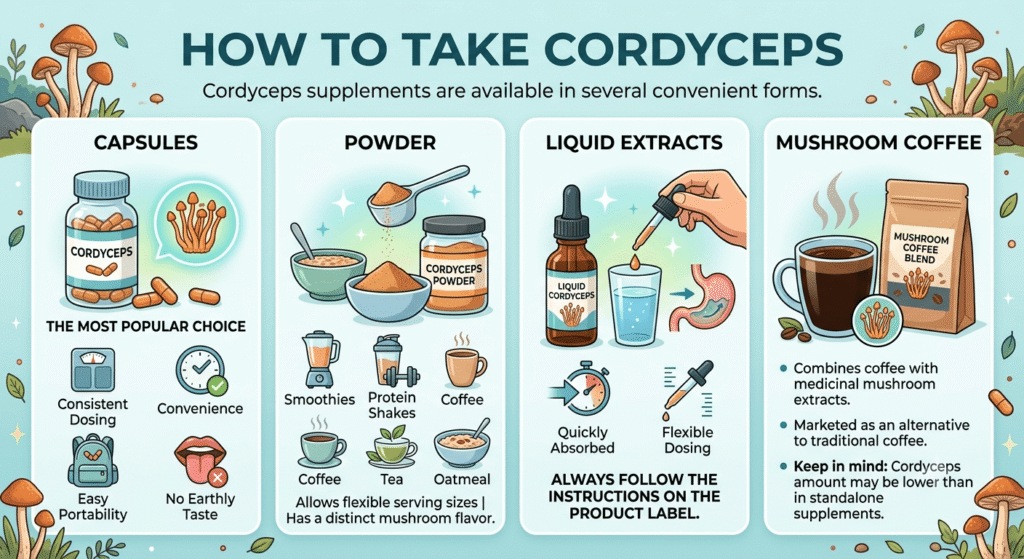 Cordyceps supplements are available in several convenient forms.
Capsules
Capsules are the most popular choice because they provide:
- Consistent dosing
- Convenience
- Easy portability
- No earthy taste
Powder
Cordyceps powder can be mixed into:
- Smoothies
- Protein shakes
- Coffee
- Tea
- Oatmeal
Powder allows flexible serving sizes but has a distinct mushroom flavor.
Liquid Extracts
Liquid extracts are quickly absorbed and allow flexible dosing.
Always follow the instructions on the product label.
Mushroom Coffee
Cordyceps is frequently included in functional mushroom coffee blends.
These products combine coffee with medicinal mushroom extracts and are marketed as an alternative to traditional coffee.
Keep in mind that the amount of Cordyceps in these blends may be lower than in standalone supplements.
Powder vs Capsules vs Extracts
Each form has unique advantages.
| Form | Best For |
| Powder | Smoothies and flexible serving sizes |
| Capsules | Daily convenience and travel |
| Liquid Extract | Adjustable dosing and faster absorption |
| Mushroom Coffee | Daily wellness routine |
The best option depends on your personal preferences, lifestyle, and budget.
How to Choose a High-Quality Cordyceps Supplement
The supplement market offers many Cordyceps products, but quality can vary considerably.
Here are a few factors to consider.
1. Choose Fruiting Body Extracts
Whenever possible, select supplements made primarily from the fruiting body rather than products containing large amounts of mycelium grown on grain.
Fruiting body extracts generally contain higher concentrations of many of the naturally occurring compounds studied in research.
2. Look for Cordyceps militaris
Most high-quality supplements use Cordyceps militaris, which is sustainably cultivated and commonly used in modern research.
3. Standardized Extracts
Choose products that clearly identify extraction methods and active compounds when available.
Transparent labeling helps consumers compare products more effectively.
4. Third-Party Testing
Independent laboratory testing helps verify product identity, purity, and quality.
Look for brands that openly share testing information.
5. Manufacturing Standards
Select supplements produced in facilities that follow Good Manufacturing Practices (GMP).
These standards help ensure product consistency and quality.
6. Read the Ingredient List
Avoid products that contain unnecessary:
- Artificial colors
- Excessive fillers
- Artificial sweeteners
- Proprietary blends without ingredient amounts
Simple, transparent formulas are generally preferable.
Common Mistakes to Avoid
If you’re new to Cordyceps, avoid these common mistakes:
❌ Expecting immediate results
❌ Taking more than the recommended dosage
❌ Choosing products without third-party testing
❌ Confusing mycelium products with fruiting body extracts
❌ Using Cordyceps instead of improving sleep, nutrition, and exercise habits
Key Takeaways
Current evidence suggests Cordyceps may support:
✔ Natural energy production
✔ Physical endurance
✔ Exercise performance
✔ Healthy oxygen utilization
✔ Antioxidant protection
✔ Active aging
✔ Overall vitality
The greatest benefits are likely to occur when Cordyceps is used consistently alongside regular exercise, balanced nutrition, quality sleep, and healthy lifestyle habits.
Part 4 (Final): Side Effects, Safety, Drug Interactions, FAQs, Final Thoughts
Is Cordyceps Safe?
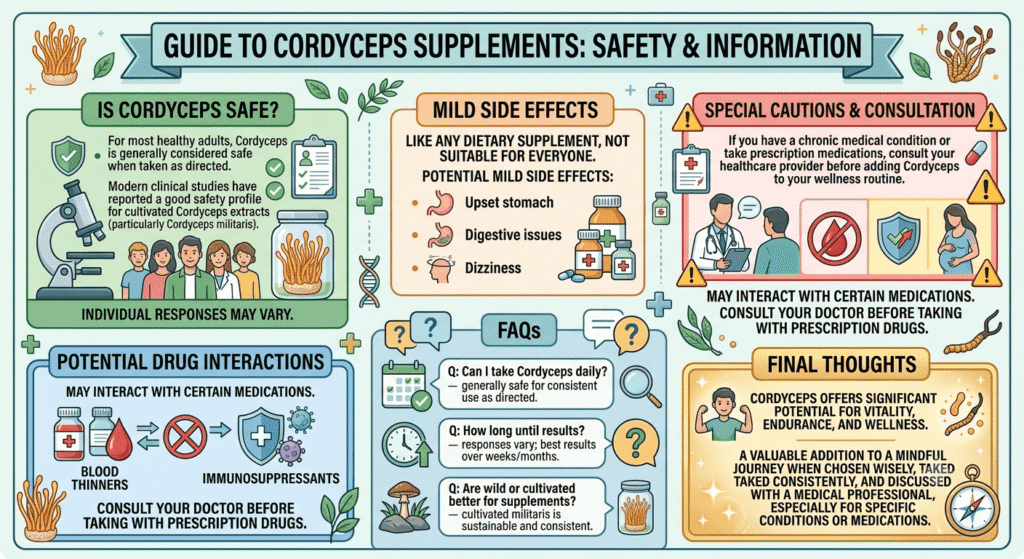 Is Cordyceps Safe?
For most healthy adults, Cordyceps is generally considered safe when taken as directed. Modern clinical studies have reported a good safety profile for cultivated Cordyceps extracts, particularly Cordyceps militaris, which is commonly used in dietary supplements.
However, like any dietary supplement, Cordyceps is not suitable for everyone. Individual responses may vary, and some people may experience mild side effects or interactions with medications.
If you have a chronic medical condition or take prescription medications, consult your healthcare provider before adding Cordyceps to your wellness routine.
Possible Side Effects of Cordyceps
Most reported side effects are mild and temporary.
Some individuals may experience:
- Mild stomach discomfort
- Nausea
- Diarrhea
- Dry mouth
- Upset stomach
- Headache
- Dizziness (rare)
These symptoms often improve by:
- Taking Cordyceps with food
- Starting with a lower dose
- Drinking plenty of water
- Following the manufacturer’s recommended serving size
If symptoms persist or worsen, discontinue use and seek medical advice.
Can Cordyceps Cause Allergic Reactions?
Although uncommon, allergic reactions are possible with any mushroom-based supplement.
Stop taking Cordyceps immediately and seek medical attention if you experience:
- Difficulty breathing
- Swelling of the face, lips, or throat
- Severe rash or hives
- Persistent itching
Individuals with known mushroom allergies should consult their healthcare provider before using Cordyceps.
Who Should Avoid Cordyceps?
Cordyceps may not be appropriate for everyone.
Speak with your healthcare provider before use if you belong to any of the following groups.
1. Pregnant Women
There is insufficient high-quality research regarding the safety of Cordyceps during pregnancy.
Pregnant women should avoid Cordyceps unless specifically advised by their healthcare provider.
2. Breastfeeding Mothers
Research on Cordyceps during breastfeeding is limited.
Until more evidence becomes available, breastfeeding women should seek medical advice before using Cordyceps.
3. Children
Cordyceps supplements are generally not recommended for children unless prescribed or recommended by a qualified healthcare professional.
4. People with Autoimmune Diseases
Cordyceps may influence immune system activity.
Individuals with autoimmune conditions such as:
- Rheumatoid arthritis
- Multiple sclerosis
- Lupus
- Psoriasis
should consult their physician before taking immune-support supplements.
5. People Preparing for Surgery
Because some herbal supplements may affect blood clotting or interact with anesthesia, many healthcare providers recommend stopping Cordyceps one to two weeks before surgery.
Always follow your surgeon’s instructions.
Drug Interactions
Although research is still evolving, Cordyceps may interact with certain medications.
Always inform your healthcare provider about all supplements you use.
Blood-Thinning Medications
People taking anticoagulants or antiplatelet medications should use caution.
Examples include medications prescribed to reduce blood clotting.
Although evidence is limited, healthcare supervision is recommended.
Diabetes Medications
Some preliminary studies suggest Cordyceps may influence blood glucose metabolism.
Individuals taking insulin or other diabetes medications should monitor blood sugar as recommended by their healthcare provider.
Immunosuppressant Medications
People taking medications that intentionally suppress immune function—such as after an organ transplant—should avoid immune-support supplements unless approved by their specialist.
Blood Pressure Medications
Early research suggests Cordyceps may have modest effects on cardiovascular function.
Individuals taking blood pressure medications should discuss supplementation with their healthcare provider.
Safety Tips for Responsible Use
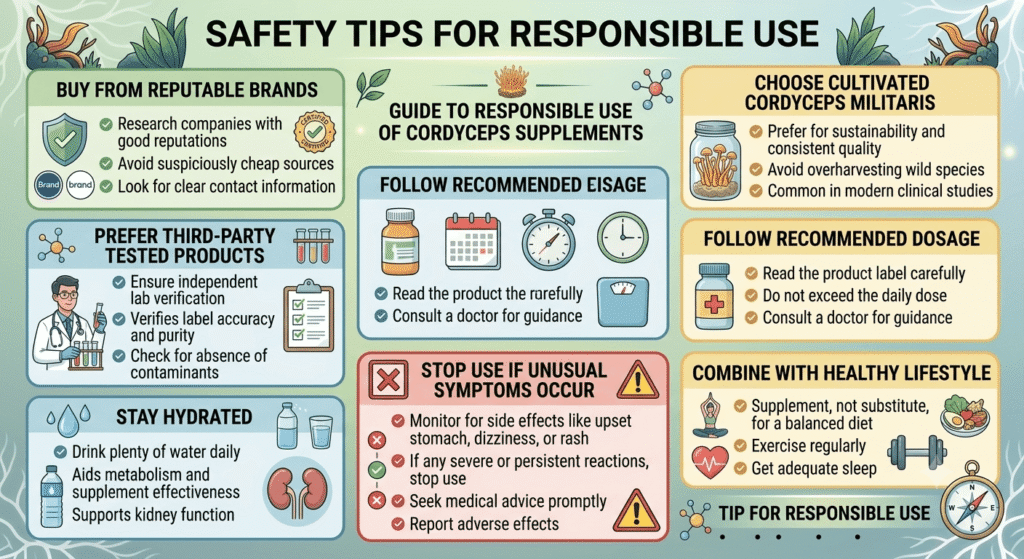 To use Cordyceps safely:
✔ Buy supplements from reputable brands.
✔ Choose products made from cultivated Cordyceps militaris or clearly identified Cordyceps extracts.
✔ Prefer third-party tested products.
✔ Follow the recommended dosage.
✔ Stay hydrated.
✔ Combine supplements with healthy lifestyle habits.
✔ Stop using Cordyceps if unusual symptoms occur.
Frequently Asked Questions
Q1. What is Cordyceps used for?
Cordyceps is commonly used to support:
- Natural energy
- Exercise endurance
- Physical performance
- Healthy immune function
- Healthy aging
- Overall vitality
Modern research continues to investigate these traditional uses.
Q2. How long does Cordyceps take to work?
Results vary depending on the individual and the reason for taking it.
Some people report noticing changes within two to four weeks, while studies evaluating exercise performance and endurance often assess outcomes after six to twelve weeks of consistent use.
Q3. Can I take Cordyceps every day?
Many clinical studies have evaluated daily Cordyceps supplementation.
Whether long-term daily use is appropriate depends on your overall health and should be discussed with your healthcare provider.
Q4. Does Cordyceps increase energy like caffeine?
Not typically.
Unlike caffeine, Cordyceps does not stimulate the central nervous system.
Instead, researchers believe it may support cellular energy production, which may contribute to more gradual improvements in vitality.
Q5. Can Cordyceps help athletes?
Some research suggests Cordyceps may support endurance and aerobic exercise performance, particularly in recreationally active adults.
However, results among elite athletes have been inconsistent.
Q6. Does Cordyceps improve testosterone?
This is a common marketing claim, but there is currently insufficient high-quality human evidence to conclude that Cordyceps significantly increases testosterone levels.
Q7. Is Cordyceps good for older adults?
Some studies suggest Cordyceps may support healthy aging by promoting energy metabolism, antioxidant activity, and physical function.
However, larger clinical studies are needed before firm recommendations can be made.
Q8. Can I take Cordyceps with coffee?
Yes, many people combine Cordyceps with coffee, and functional mushroom coffees often include Cordyceps extract.
If you’re sensitive to caffeine, monitor how you feel and adjust your intake accordingly.
Final Thoughts
Cordyceps has earned a respected place in traditional medicine because of its long history of supporting vitality and endurance.
Modern scientific research suggests that Cordyceps may help support natural energy production, exercise performance, oxygen utilization, healthy immune function, and antioxidant protection. While these findings are encouraging, many of the claimed benefits still require larger, high-quality human studies.
The most important takeaway is this:
Cordyceps is not a miracle supplement, but it may become a valuable addition to a healthy lifestyle when used responsibly.
For the best results, combine Cordyceps with:
- A balanced, nutrient-rich diet
- Regular physical activity
- Seven to nine hours of quality sleep
- Proper hydration
- Stress management
- Routine medical care
Supplements work best when they complement healthy habits—not replace them.
Medical Disclaimer
This article is intended for educational and informational purposes only and should not be considered medical advice. Scientific research on medicinal mushrooms continues to evolve, and individual responses may vary. Always consult a qualified healthcare professional before starting Cordyceps or any dietary supplement, especially if you are pregnant, breastfeeding, have a chronic medical condition, or take prescription medications. Never stop or replace prescribed treatment without professional medical guidance.
Continue Your Ayurveda Wellness Journey
If you found this guide helpful, explore other evidence-based articles in our Ayurveda Wellness Journey:
Related Ayurvedic Wellness Articles
Ashwagandha Benefits: Uses, Dosage, Side Effects & More
Shilajit Benefits: Science, Uses, Safety & How to Choose the Best Supplement